Hero Background Image

AI Aware Universities

Empowering university communities for the ethical use of AI

About

AI Aware Universities was an initiative that explored how artificial intelligence (AI) should be used in university settings. Its mission was to give students, faculty, and staff an equal voice in shaping policies on AI in education. Rather than decisions being made from the top down, the project focused on inclusive conversations, shared responsibility, and democratic problem-solving. The project was organized by the Center for Information, Democracy, and Citizenship (CIDC) at the American University in Bulgaria and funded by People Powered. It ran from April 2024 – April 2025 and brought together six European universities: LCC International University, Bard College Berlin, European Humanities University (EHU), Bratislava International School of Liberal Arts (BISLA), Central European University (CEU), and AUBG.

At each university, student facilitators led collaborative discussions among students, staff, and faculty regarding appropriate AI use in education. Over 100 participants joined these sessions that resulted in policy recommendations, reflecting the contributions of diverse voices across the six European university communities. The project not only addressed the challenges of AI in education but also demonstrated a scalable framework for democratic engagement in university governance.

The objectives achieved by the AI Aware Universities project include

  • Building trust among students, faculty, and staff by putting them on an equal footing and giving them the option to deliberate openly and freely
  • Empowering students to take the lead and increase student participation in shaping university policies.
  • Broadening the perspectives on the ethical use of AI across partner universities by developing a set of recommendations.


Our Methodology

Our initiative aimed to foster dialogue across six universities among students, faculty, and staff members regarding Artificial Intelligence (AI) and its applications within an academic environment.

  • At the start of the project, each university selected a group of motivated students to become facilitators. In total, more than 30 student leaders across the six universities received training on how to lead structured, inclusive discussions using participatory democracy methods. At AUBG, seven students stepped into this leadership role. They lead workshops, facilitated discussions, and helped shape AI use recommendations based on participant input.

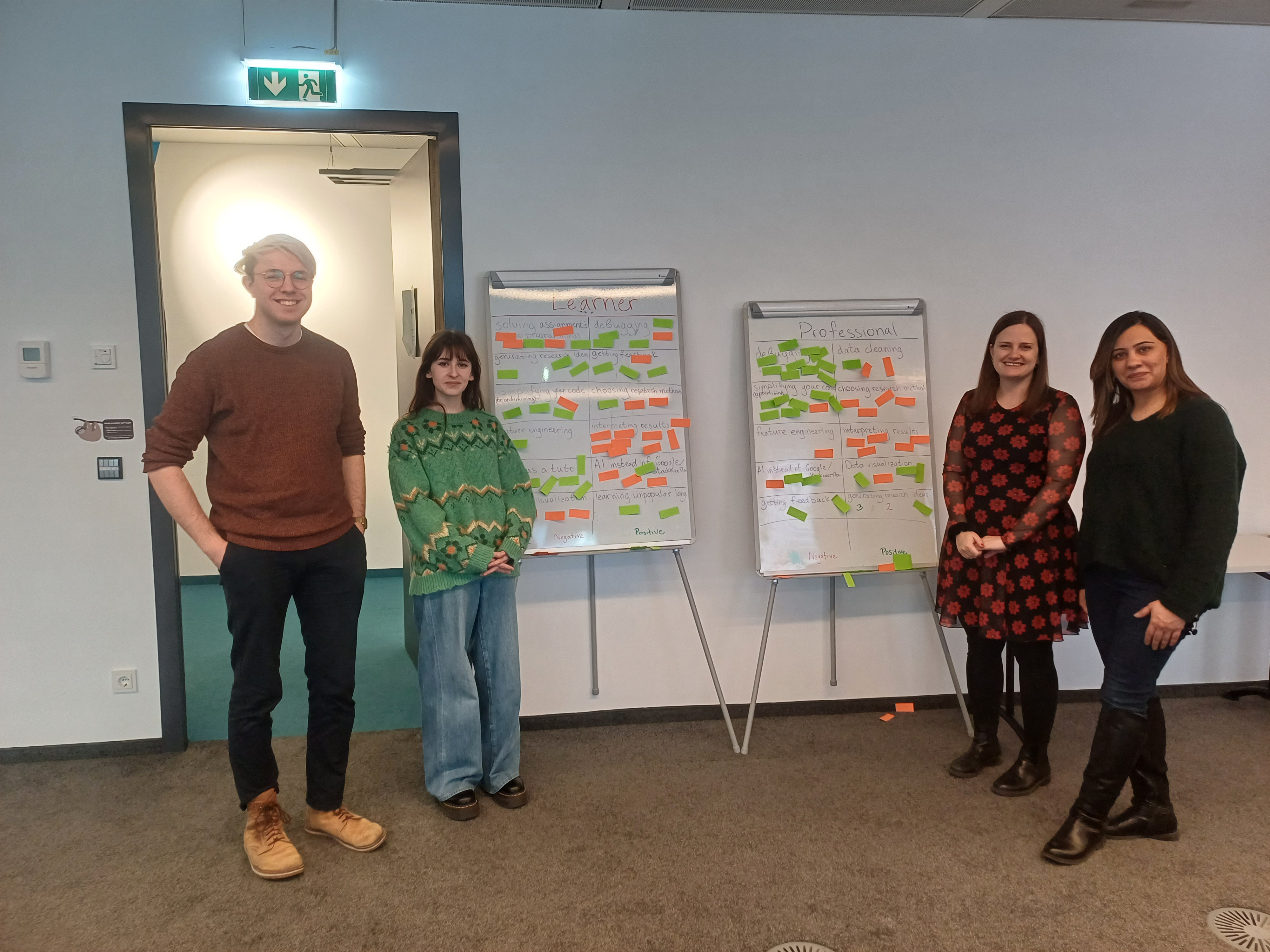
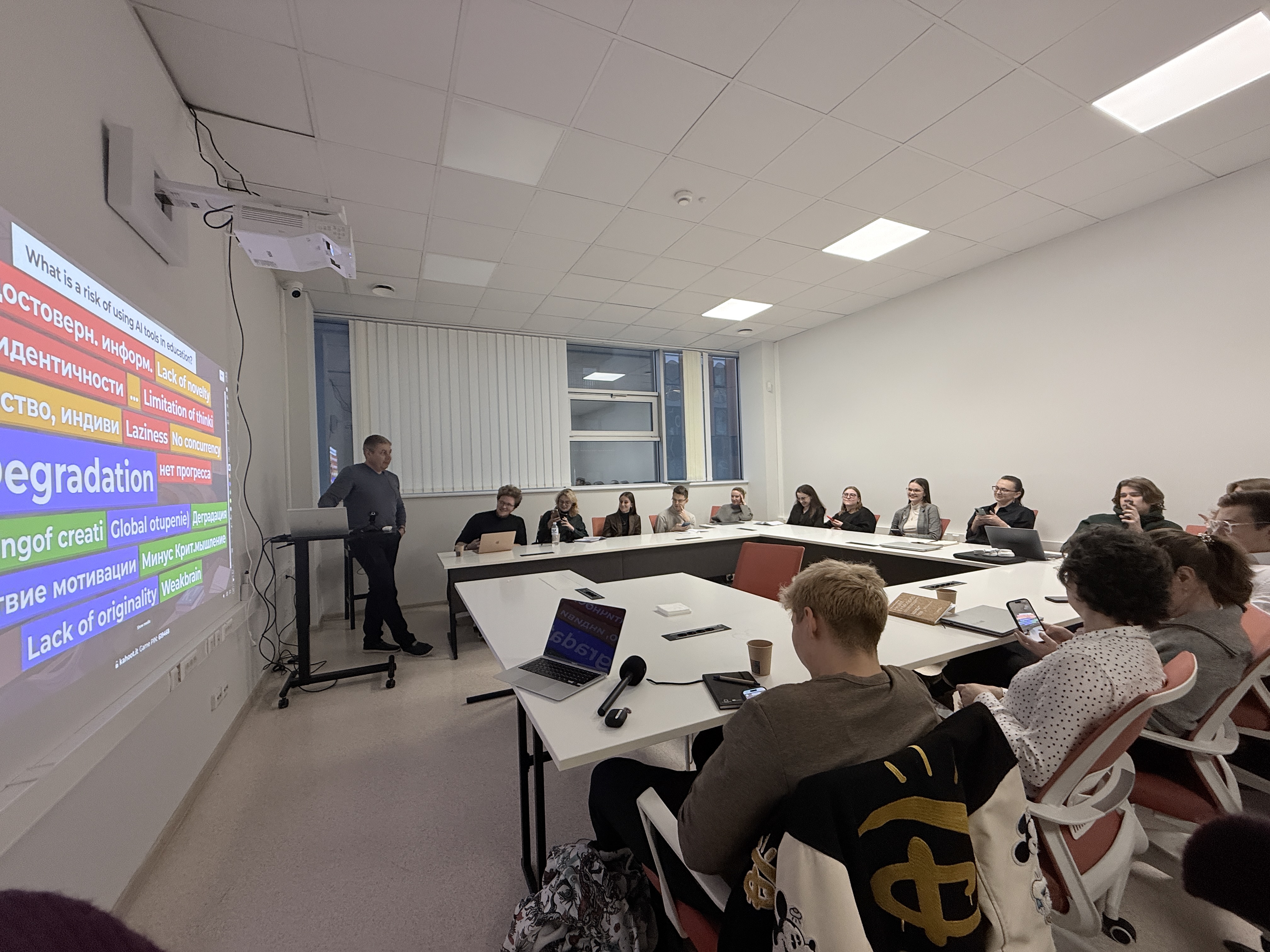
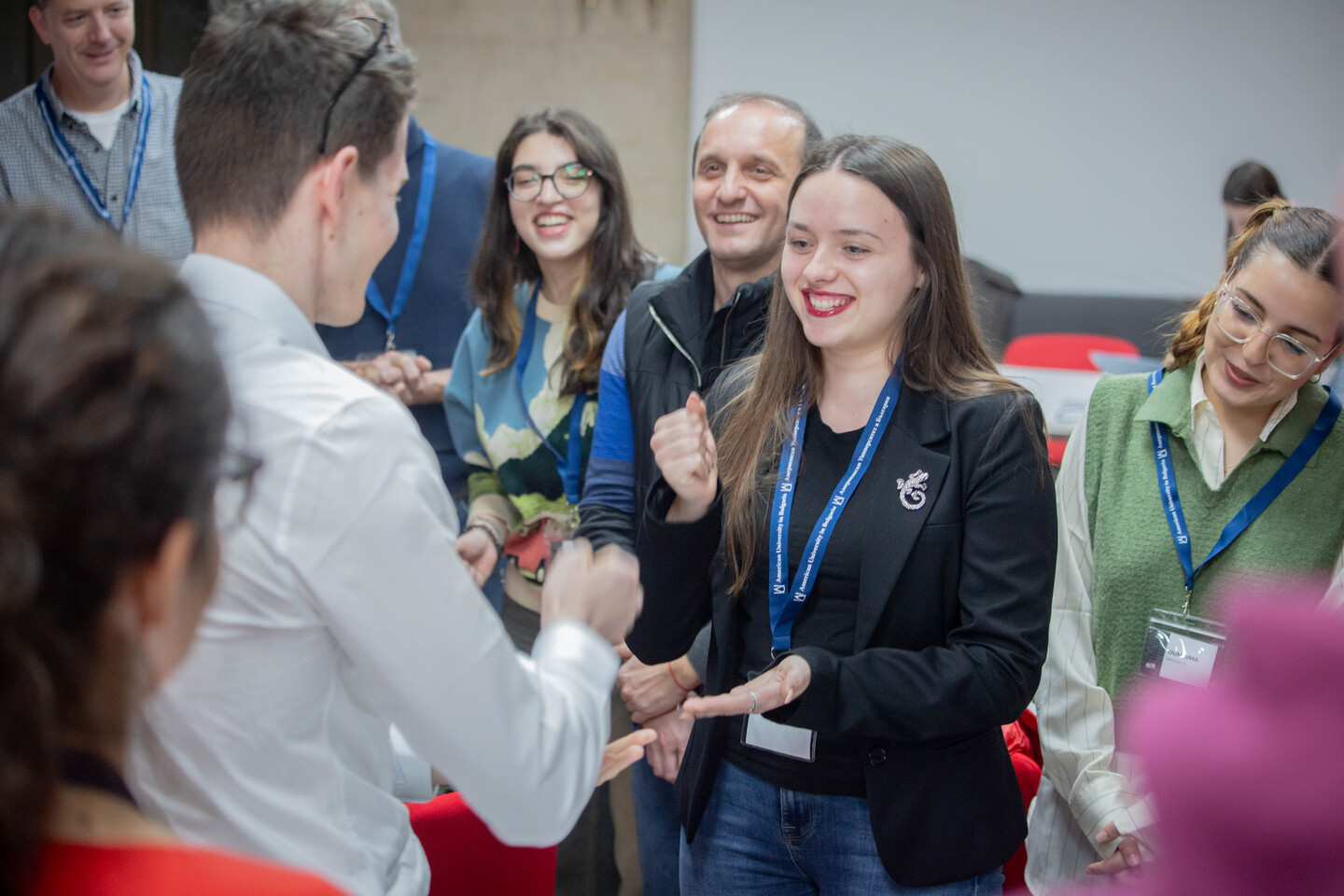
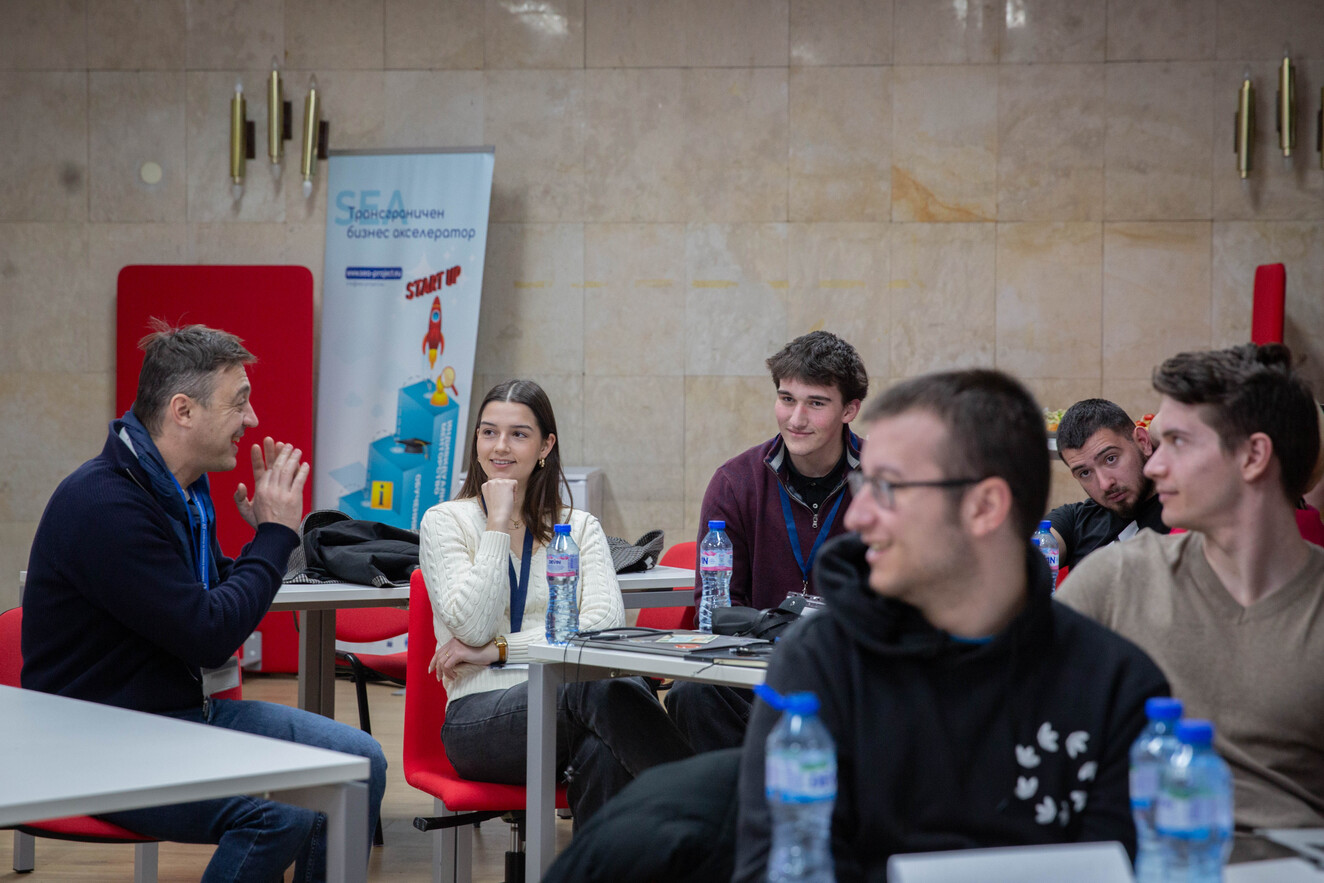
  • The trained student facilitators led a series of structured discussions at AUBG that brought together students, faculty, and staff. These sessions were designed for open conversation—not lectures or lessons. A total of 14 students, 8 faculty members, and 4 staff participated. Everyone joined as equals, contributing their perspectives on AI use in academic life.

  • The project at AUBG was organized into four student-led workshops. Each session built on the previous one, guiding participants from shared understanding to shared decisions:

    • Workshop 1 – Introduction to AI What is generative AI, and what does it mean for universities? This session introduced the basics and created a shared foundation.
    • Workshop 2 – AI in the Classroom: Teaching and Learning Participants explored how AI tools are used in academic work, with a focus on real classroom experiences and challenges.
    • Workshop 3 – Mapping Challenges and Solutions The group identified risks and concerns—such as academic integrity and fairness—and began shaping practical responses.
    • Workshop 4 – Voting on Final Recommendations Participants reviewed draft recommendations, made final edits, and voted to approve a collective policy document.
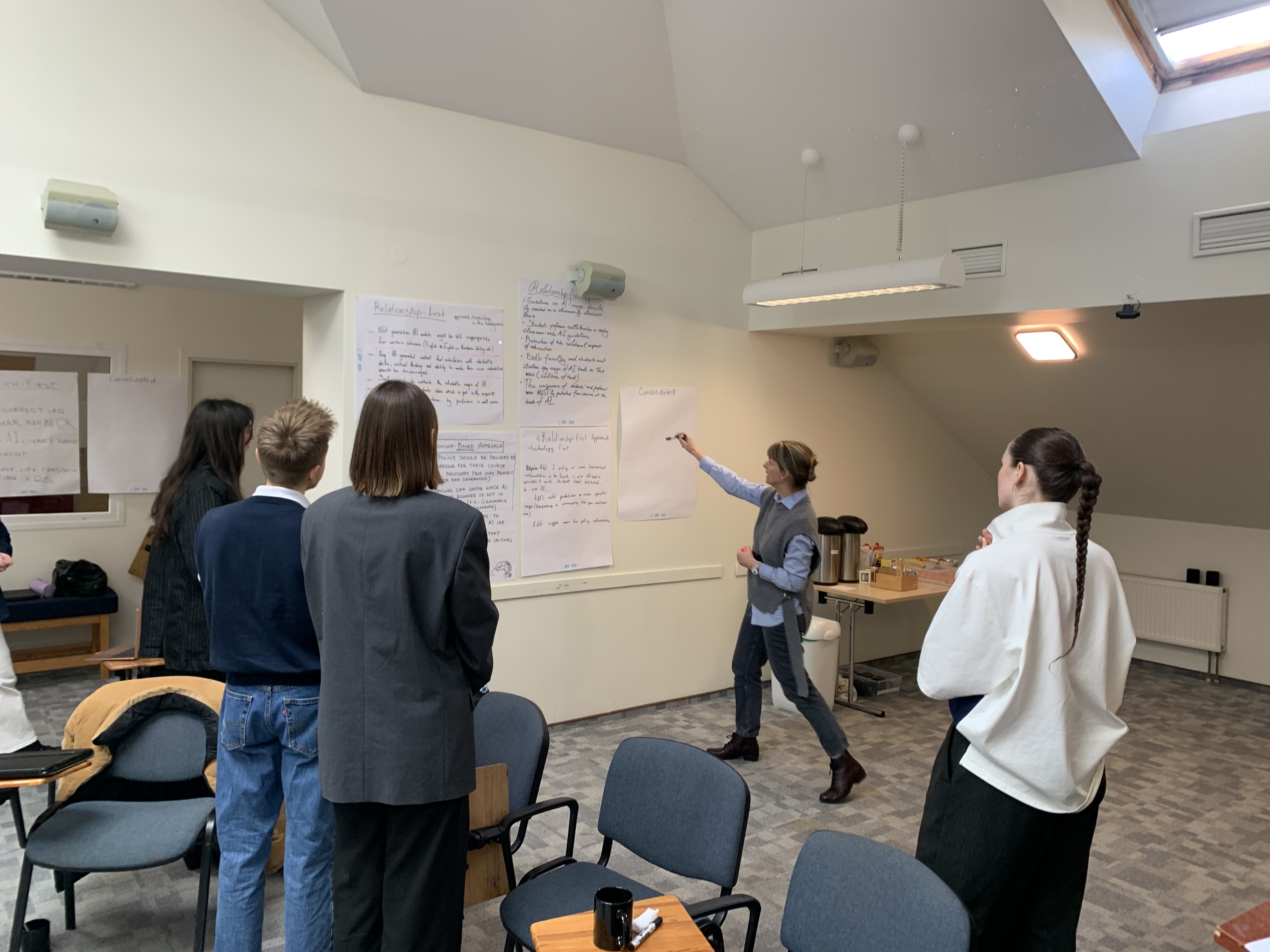
  • After each session, student facilitators gathered key ideas and helped turn them into draft recommendations. These drafts were reviewed and refined in group discussion. The final policy was shaped entirely through the deliberative process—and only included items that received full group support.

  • While each campus led its own discussions, teams across the six universities stayed in touch through regular online check-ins. These short meetings helped align goals, troubleshoot challenges, and maintain the project’s shared vision.

AI Policy Recommendations from AUBG

AUBG students, faculty, and staff worked together to develop a set of guidelines for the ethical use of AI in the university. Following the project completion, the final set of recommendations was presented to AUBG leadership for consideration and review. While these recommendations are not part of official AUBG policy, they offer deep insight, spark ideas and highlight the value of a deep democratic process involving all stakeholders in the university community.

  • Assignments that aim to build core skills—like writing, coding, or translating—should require independent work. Faculty are encouraged to clearly state when AI use is not allowed, especially in assignments designed to help students practice and improve those very skills.

  • Academic honesty depends on clarity. Both students and faculty must disclose when AI tools are used in academic work. Transparency supports mutual respect and reinforces the integrity of learning and teaching.

  • Every course should include explicit guidelines about AI use—what’s allowed, what isn’t, and why. These rules should appear in syllabi and be repeated in assignment instructions. Clear communication helps avoid confusion and ensures fair assessment.

  • AI should only be used in ways that support the purpose of the assignment. If the goal is to practice a skill, AI should not do the work. If the goal is to produce a polished product, some AI use may be acceptable with permission.

  • The policy outlines permitted and prohibited uses of AI for both students and faculty.

    Examples of permitted student uses:

    - Brainstorming ideas
    - Studying with self-created materials
    - Expanding notes with examples

    Prohibited uses include:

    - Submitting AI-generated essays
    - Using AI for exams or coding assignments
    - Presenting unverified AI outputs as original work

  • Students and faculty should clearly note if AI tools were used—and how. AI use must be cited or acknowledged in line with academic standards (e.g., APA, MLA). This promotes trust and prevents misunderstandings about authorship.

  • Violations of AI use policies should be treated like any other breach of academic integrity. No penalties should rely solely on AI detection software. Suspected misuse should involve dialogue, and students have the right to appeal through standard university procedures.

Learn more

These seven principles offer a foundation for ethical and transparent AI use in academic settings. For a full explanation of each recommendation, see the full policy document developed at AUBG:

Download
Catalog Image Catalog Image

Guest Lecturers Who Shaped the Conversation

While the deliberative sessions were led by student facilitators, several expert speakers joined to offer input and spark discussion. Their workshops helped frame the sessions, challenge assumptions, and deepen participants’ understanding of AI in education.


Zachary Hutchinson  is a computer scientist and lecturer at the University of Maine, specializing in neuro-inspired artificial intelligence and computational neuroscience. His research focuses on developing artificial dendritic neuron models that emulate the complex processing capabilities of biological neurons, aiming to enhance the realism and functionality of artificial neural networks.


In the last six years, Dr. Brent Anders  is the Director of the Sovorel Center for Teaching and Learning and a lecturer at the American University of Armenia, with over two decades of experience in higher education. His expertise lies in online learning, educational technology, and instructional methodologies, focusing on integrating AI into educational practices. Dr. Anders is also a retired U.S. Army Sergeant Major and certified international military instructor, bringing a unique perspective to his educational endeavors.


Insights from Partner Universities

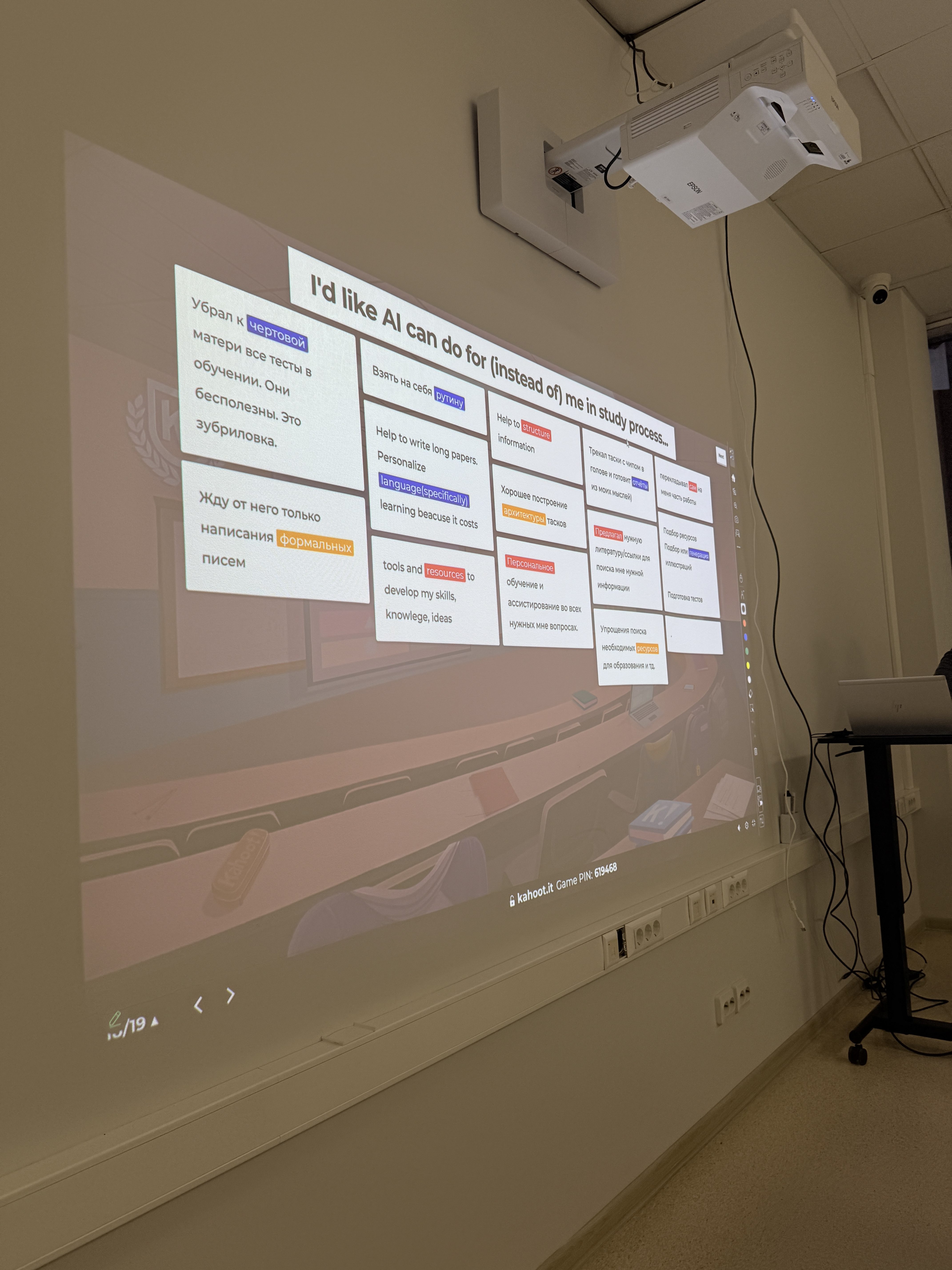
The AI Aware Universities project took place across six institutions, each of which led its own student-facilitated discussions and developed campus-specific recommendations. While every university approached the topic in its own way, several shared themes emerged—most notably the power of student leadership, the value of open dialogue, and the institutional impact of participatory processes. Below are reflections from three of our partner universities.

European Humanities University (EHU)

The University Senate welcomed our recommendations, as there had previously been no internal guidance on the academic use of AI. This showed us that student-led initiatives can have real institutional impact.

Bard College Berlin

The intense and sincere engagement of the students throughout has also been very impressive. We learned a lot about how they are actually using AI.

They have two clear suggestions: first, they believe hearing from faculty directly and frequently about how AI negatively impacts their learning will have a big effect. Second, they oppose surveillance of student work as a remedy for AI use since in their view it damages the relation of trust between students and faculty

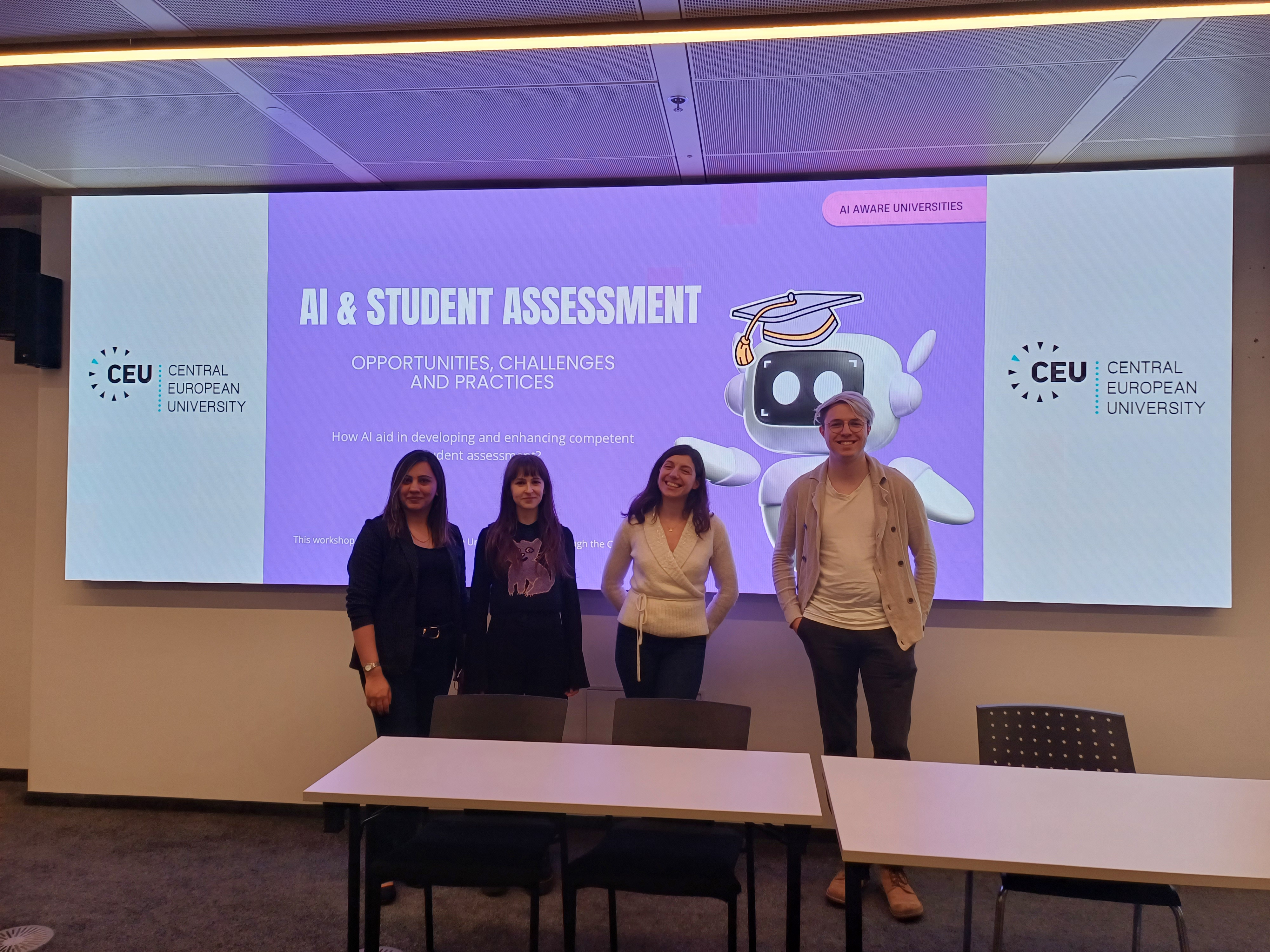
Central European University (CEU)

This workshop series’ emphasis on deliberate, democratic methods, which was in line with the project’s aim, helped us to have more inclusive conversations around university policy. Many participants shared their appreciation for the format and indicated that the conversations were both informative and thought-provoking.