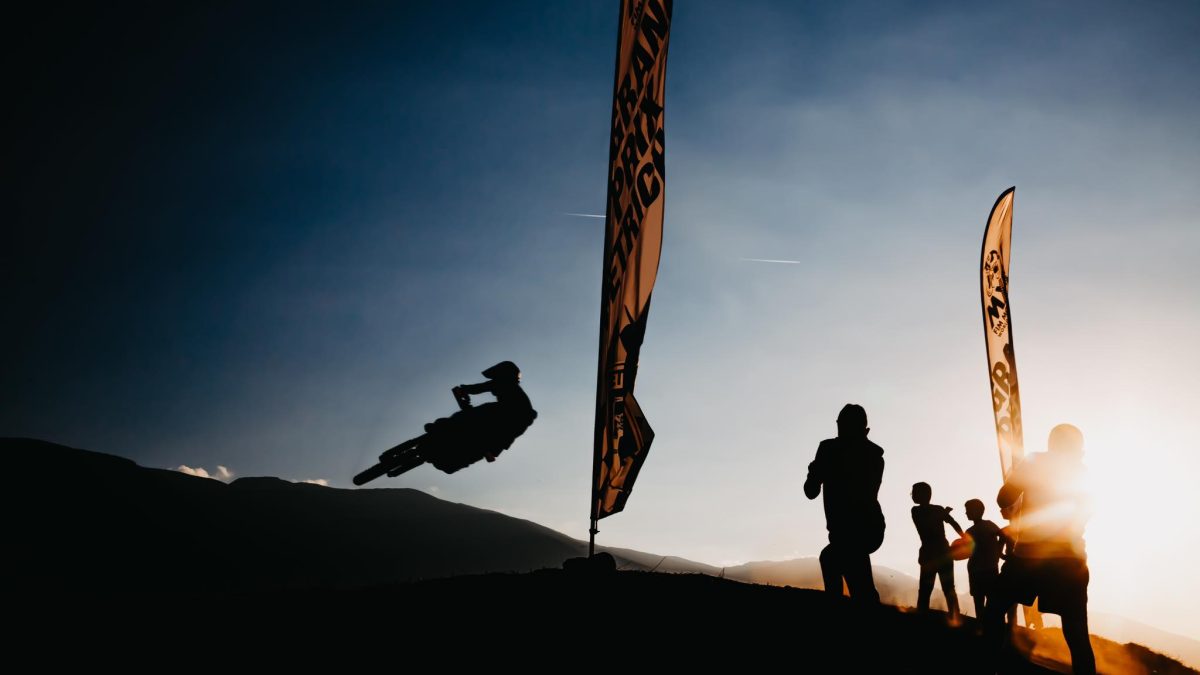
Except the hearts of the audience, Motorgrad documentary managed to also grab two awards – Best Student Film at the 2022 ARFF Paris International Awards, and Best Student Film at 8 & Halfilm Awards.
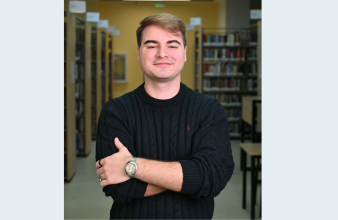
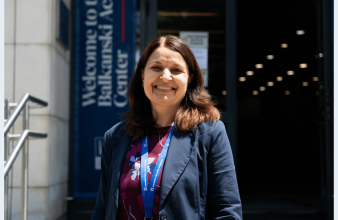
Viktor Kharyton and Yenlik O’Neill’s collaborative Capstone project, Motorgrad, marks a significant milestone in their academic journeys at AUBG. This ambitious endeavor combines journalism, filmmaking, and storytelling to shine a spotlight on Bulgaria’s motocross community. Below, they share insights into their creative process, the challenges they faced, and the valuable lessons learned along the way.
You can watch the movie on YouTube following the link.
Take us through the process – how did you plan it, and what were the main steps?
Viktor:
The preparation phase was swift; time was crucial since we wanted to capture the remaining races of the 2021 Bulgarian Motocross Championship. Our first steps were setting goals: approaching subjects, scheduling shoots, securing equipment, permissions, and funding. Then, we dove into production, following our subjects to racing tracks, training sessions, and their workplaces. We filmed in Samuilovo, Zelen Dol, Sofia, and Blagoevgrad, with three full-day shoots at racing tracks.
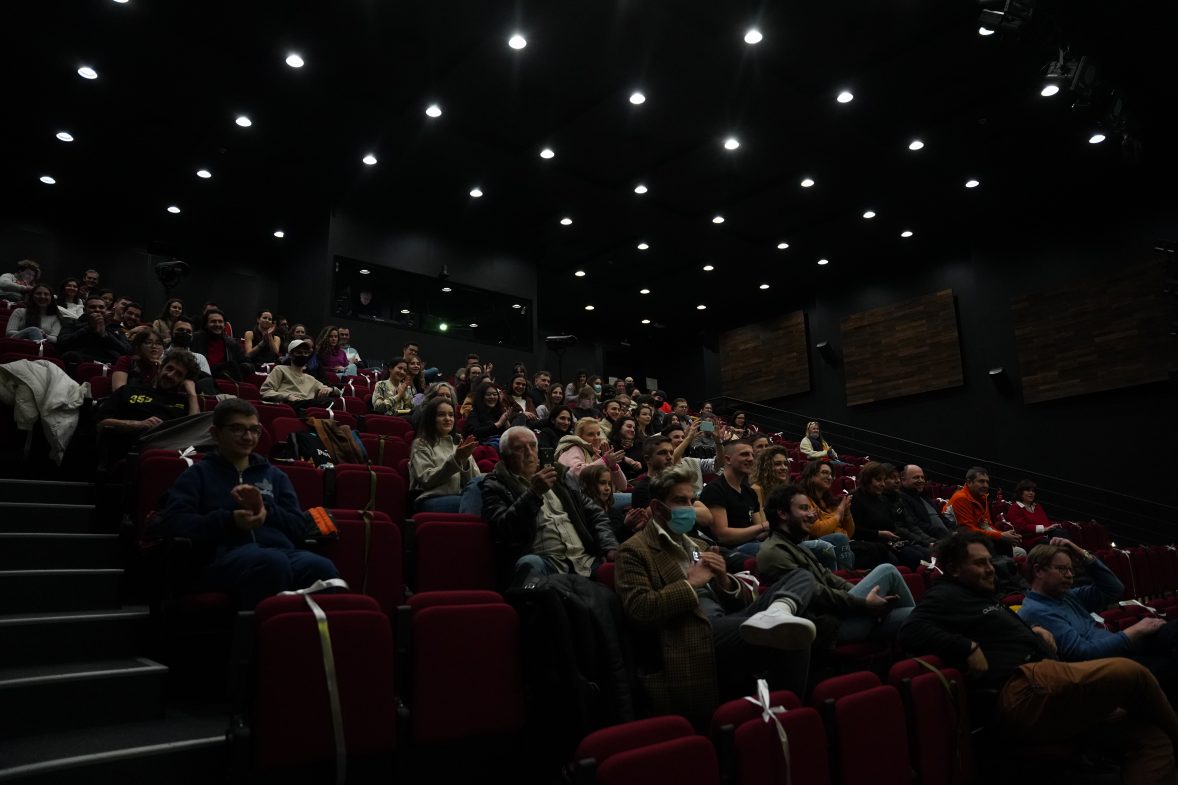
Post-production was equally demanding: sorting through terabytes of footage, editing, and polishing content. Yenlik took the lead on the documentary, while I focused on writing. Balancing drafts, edits, and deadlines required juggling multiple tasks weekly. Finally, we organized a promotional campaign, culminating in the project’s presentation event on February 8, 2022.
Yenlik:
Once the JMC Capstone Committee approved our collaboration, we immediately began planning. Since we were dependent on our subjects’ availability and the racing calendar, we set clear deadlines: pre-production and production until October 31, and post-production from November 1 to December 14. Most weekends were spent shooting, often requiring adjustments due to weather or other factors.
What challenges did you face, and how did you solve them?
Viktor:
Exhaustion from the workload was our biggest challenge, whether during weekend shoots or long nights editing. We managed through mutual support, dividing tasks effectively, and staying organized. In the end, the exhaustion felt rewarding.
Yenlik:
The language barrier was a significant hurdle. The documentary is in Bulgarian, but neither Viktor nor I are fluent. To address this, Viktor prepared interview questions in advance with help from Bulgarian-speaking friends. After conducting interviews—sometimes with interpreters—we enlisted native speakers to transcribe and translate them.
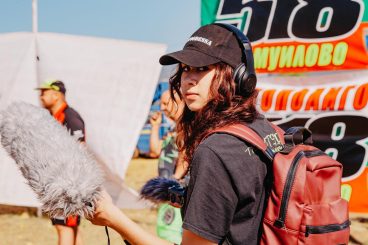
Another challenge was working with a minimal crew of three: Viktor, me, and our sound director Anastasiia Mozghova, who handled all sound recording and editing. Despite the limited resources, we worked seamlessly as a team. Still, the project demanded an immense amount of time and energy.
What are your expectations for the project’s future?
Viktor:
We hope Motorgrad amplifies the voices of the regional motorsport community, showcasing their passion and dedication. Beyond our initial platforms, we aim to gain broader media coverage.
Yenlik:
The documentary will be submitted to various film festivals, and it’s a key addition to my portfolio as I pursue filmmaking and video production opportunities. This project was a professional and personal growth experience, filled with lessons and unforgettable encounters.

Is there anything you studied during your years at AUBG that turned out surprisingly helpful?
Viktor:
We knew from the start that succeeding with this project required leveraging every skill we had gained at AUBG—and that’s exactly what happened.
Yenlik:
Every class contributed to my worldview and practical skills, even if indirectly. It’s hard to single out anything “unexpectedly helpful” because everything added value in some way.
What is one thing you wish you knew or focused on more when you started at AUBG?
Viktor:
I was skeptical about group projects during my studies. Ironically, this collaborative capstone was one of my most fulfilling experiences. I wish I had embraced earlier opportunities to gain more skills and have fun with group work.
Yenlik:
I wish I’d realized sooner that filmmaking was my passion. With earlier clarity, I might have pursued a film minor or self-designed major focused on film production.