Yordanka Martin (’08) has plenty of good ideas and cases to make. But getting big organizations to act in their best interests is not as easy as it should be.
Experience has taught her to walk into a room and pretty quickly judge who there has what she calls a “listening ear,” people potentially receptive to what she has to propose.
“I’m a woman with a foreign accent. For some listeners, I immediately have a lot to overcome,” she says with a smile.
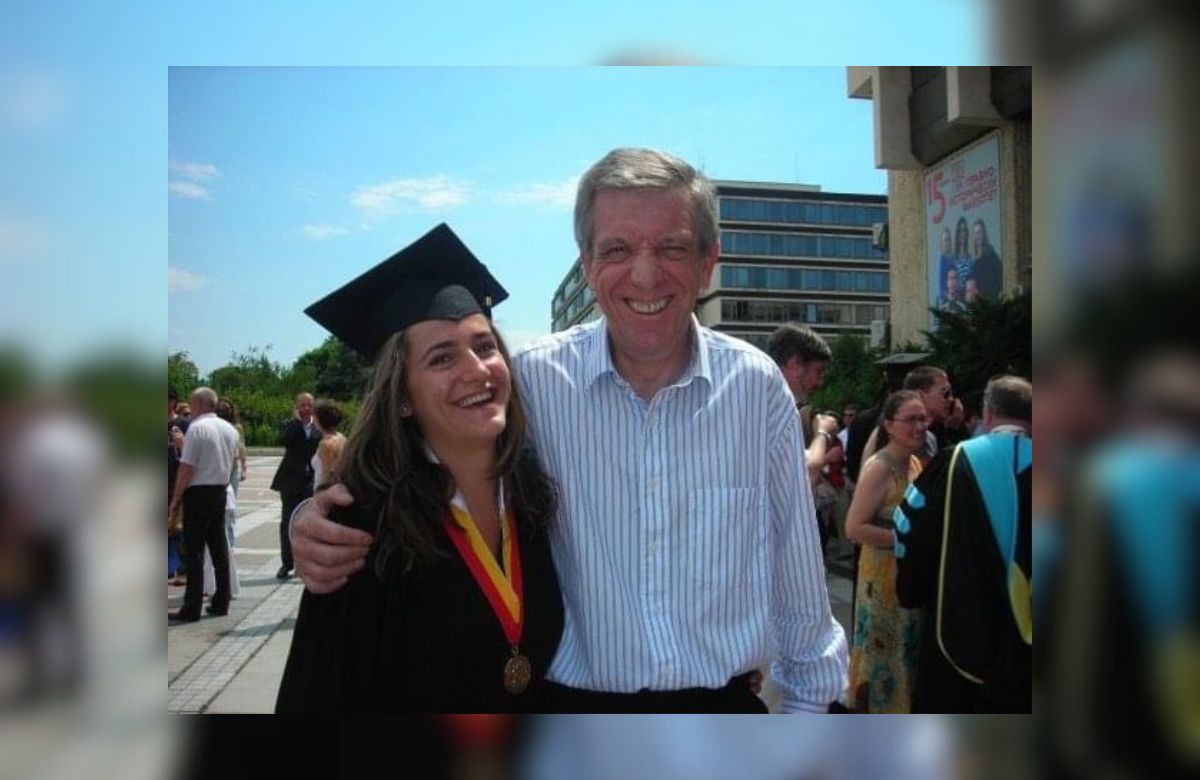
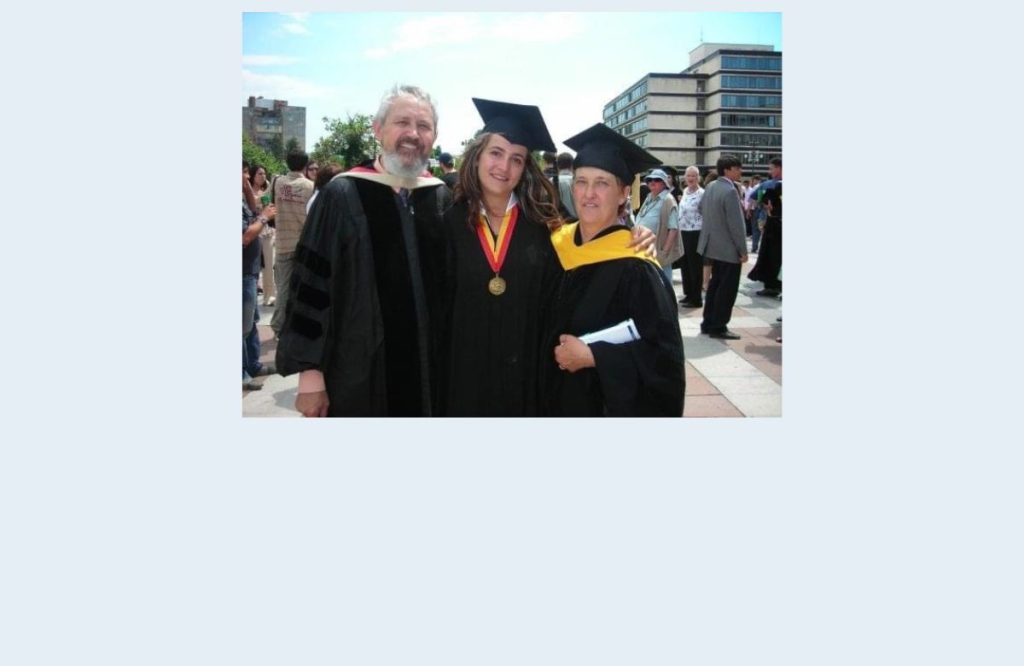
And she’s been pretty successful at finding the right ears. After graduating in 2008 from the American University in Bulgaria (AUBG), she earned an MBA from Yale. “I got a call from a Bulgarian Yale alum from 15 years earlier, who noticed my Bulgarian name in a directory of graduating students from the MBA program. We talked, and this led to me being hired by Hyundai, the Korean carmaker,” she explained, still in disbelief over this turn of fortune.
She did financial risk management for more than 10 years at Hyundai and is now the Chief Risk Officer at the motorcycle maker Harley Davidson. She hasn’t ridden a Hog yet, but she sat on one and went through the gears. A real ride may follow one day, but for now she appreciates the shiny steel trim and deep-throated engine thrum. Her job is to help riders finance them.
How did she get to her new home in Southern California from her birthplace in Blagoevgrad?
Listening in English
“The journey probably began when I was a child of five and selected English instead of Russian as my foreign language choice. Until around that time when the Soviet Union dissolved, Russian was the only choice.”
What she remembers of those early years was standing in long lines, often for many hours, waiting to buy staples like flour, salt and sugar so her mom could make cakes and bread. “There was a shortage of everything. My parents had to change jobs and learn new skills because the jobs they had working for the state no longer existed.”
“I spent a lot of time taking care of my little brother at home so my parents could work. Hardships made me more resilient, stronger, unselfish–and this helped for the life that was to come. I worry that my kids have had it too easy,” she pointed out.
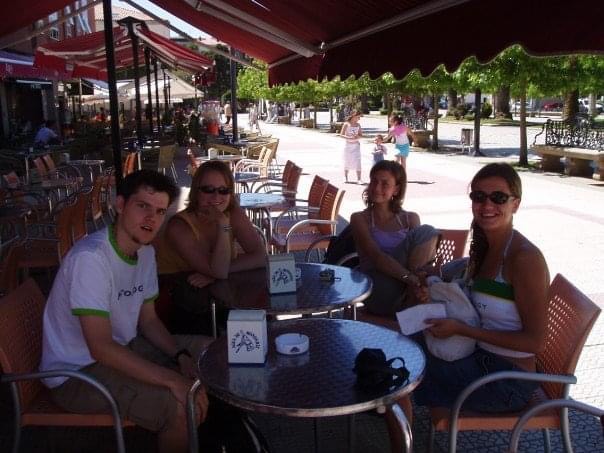
Since she was young, Yordanka walked past the AUBG campus and became familiar with what went on there. Meanwhile, she went to an English language high school and continued to master the language. AUBG accepted her but she lacked enough money to cover the expense. So, like a lot of other students, she headed to the U.S. during summer breaks to generate an income.
A cereal entrepreneur
“I worked multiple jobs at a time as a babysitter, house cleaner, grocery store clerk, and ice cream scooper, among others. At the grocery store I was amazed by the amount of space devoted to breakfast cereals. Americans must love their cereals. There are so many different brands.”
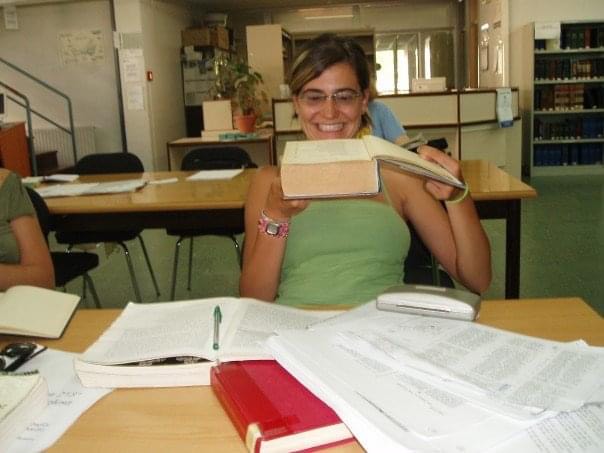
No Cocoa Puffs or Captain Crunch for her, but she did make enough money to pay for university. Once back on campus, she threw herself into work on two campus newspapers and numerous clubs, all the while marveling at the diversity of the students who typically came from dozens of different countries.
She spent a semester abroad in Spain where she said she was compelled to learn adequate Spanish, which she still uses in volunteer work supporting families with children in foster care in the Los Angeles area.
“I’m most grateful for the emphasis on critical thinking. I didn’t have to declare a major when I entered AUBG. Under the Bulgarian system you must choose a major when you’re 16-years-old. Most people don’t know what they need or want at that age. I was exposed to so many different ideas, so many other students whose understanding of the world was different than mine. Everyone was so curious, so I became more curious, too, and it has served me well.”
Yordanka became very good friends with her roommates, those she tutored in finance and business, and newspaper colleagues who she spent many late nights working on deadlines and drinking coffee to stay awake. “I still have these friends who live all over the world. Sometimes we get together and our kids play. Some of my close friends have been through hard times, and so have I. We help each other.”
She married an American. Now divorced, they coparent their two children, six and nine. Her mom and younger brother, an entrepreneur who chose not to attend college, are in Bulgaria.
Would she send her kids to AUBG? “Absolutely.” Will she return to live in Bulgaria?
“I don’t know. One reason I left was that at the time, opportunities were limited. My mom used to tell me that Bulgaria doesn’t know what to do with people like you. Indeed, half my high school graduating class went abroad.”
But she says things are changing and some people are coming back including, she noted, two AUBGers who she knows left Boston for Sofia.
“I miss the slower pace of life in Bulgaria and western Europe. The time taken to linger over a meal with friends and family.”
Risks of not listening
Now she’s part of corporate America, applying her expertise in financial risk management which uses predictive statistical models to determine what kinds of customers are likely to repay their loans and what interest rates to charge.
“The models we create have saved hundreds of millions in losses after losing such fortunes when they didn’t use the models. My job is to make sure my companies don’t lose that kind of money.”
What if they don’t use your models? These are big organizations with many different layers and leaders with different objectives. That gets us back to the theory of the listening ear. “If I’m not the right person to go to a specific decision maker, I will deliver the information through a surrogate. It’s important not to have a big ego when you want to get something important done. Sometimes the decisions involve politics. It’s not simple, and the best option may not work out.”
“My approach is active listening to members of my team. What’s going on with your work? What are the pressing issues? What are your grievances? Gathering this information tells me what decisions to make and which ones will have the biggest impact.”
“Being able to analyze to see the costs and benefits comes with experience.”
Next, she’d like to be a CEO or COO of a sizable company. Those marathons she runs should keep her in shape for future challenges. She’ll bring along her knack for finding listening ears. And if they’re smart, they’ll listen closely to what she has to say.