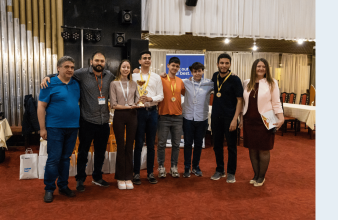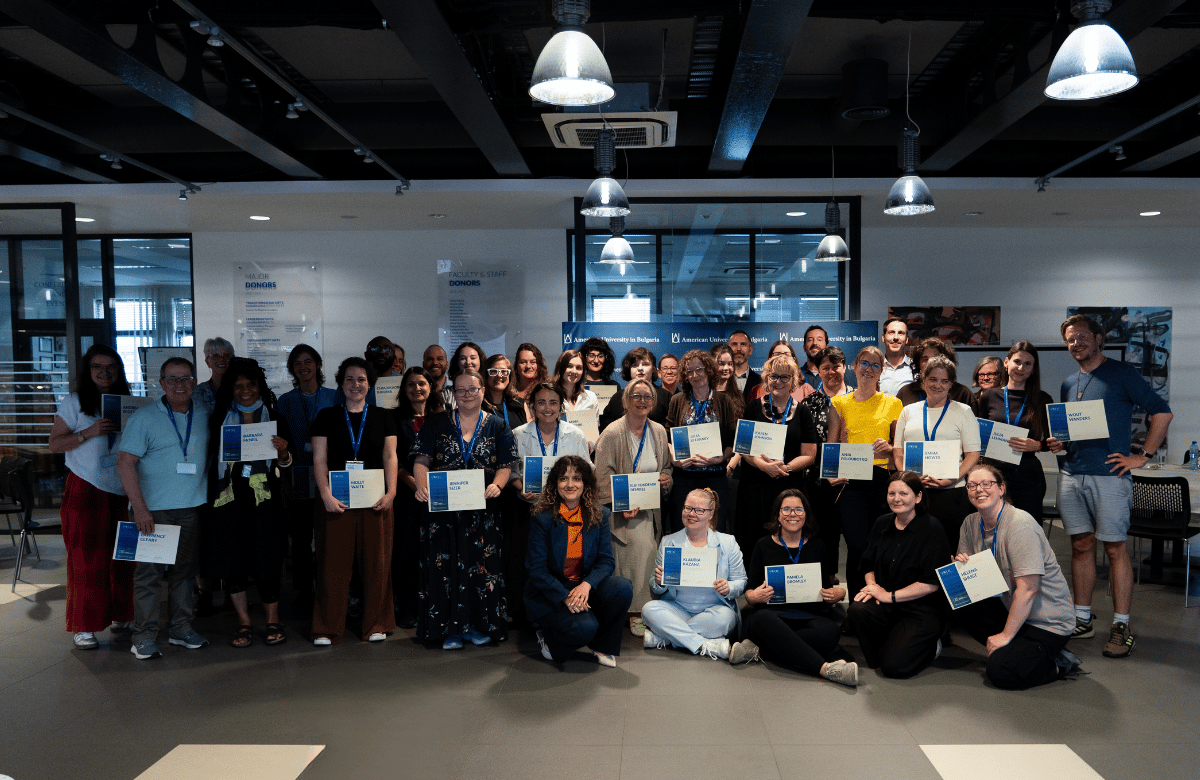
More than 50 scholars, researchers, and experts from 13 countries gathered at AUBG this June for a joint initiative of two international conferences: the 2026 Biennial Conference of the European Writing Centers Association (EWCA) and the 18th Annual Conference of the Global Communication Association (GCA).
Hosted by Steven London (’19) at the Filizca Sophianou-Mullen Writing Center and the Center for Information, Democracy and Citizenship (CIDC), the conferences explored the future of writing, communication, and education in a rapidly evolving digital world. The GCA conference came to AUBG through the recommendation of alumna Daniela Dimitrova (’97), who also presented at the event.
“The joint conference reflects AUBG’s commitment to fostering intellectual exchange, advancing research, and creating spaces where scholars from diverse backgrounds can engage in meaningful dialogue about the future of education, communication, and society,” said Steven London (’19), Senior Coordinator at AUBG’s Center for Academic Writing.
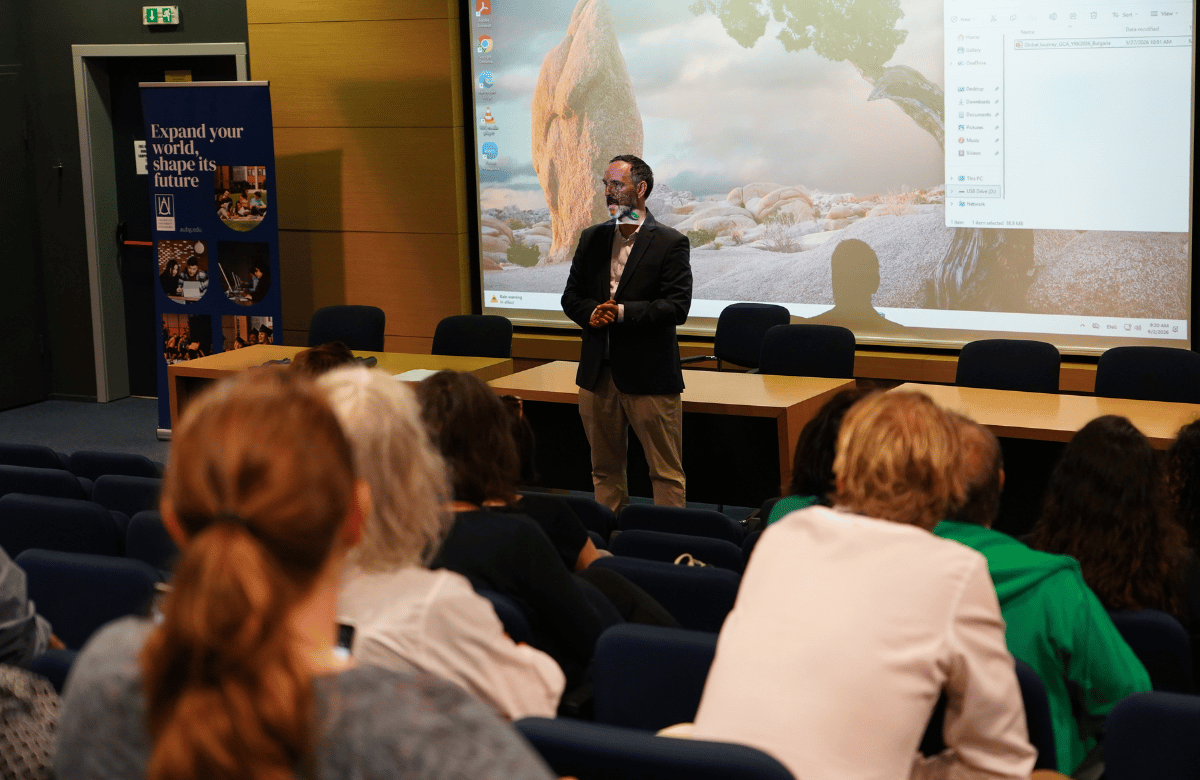
Steven London ('19)
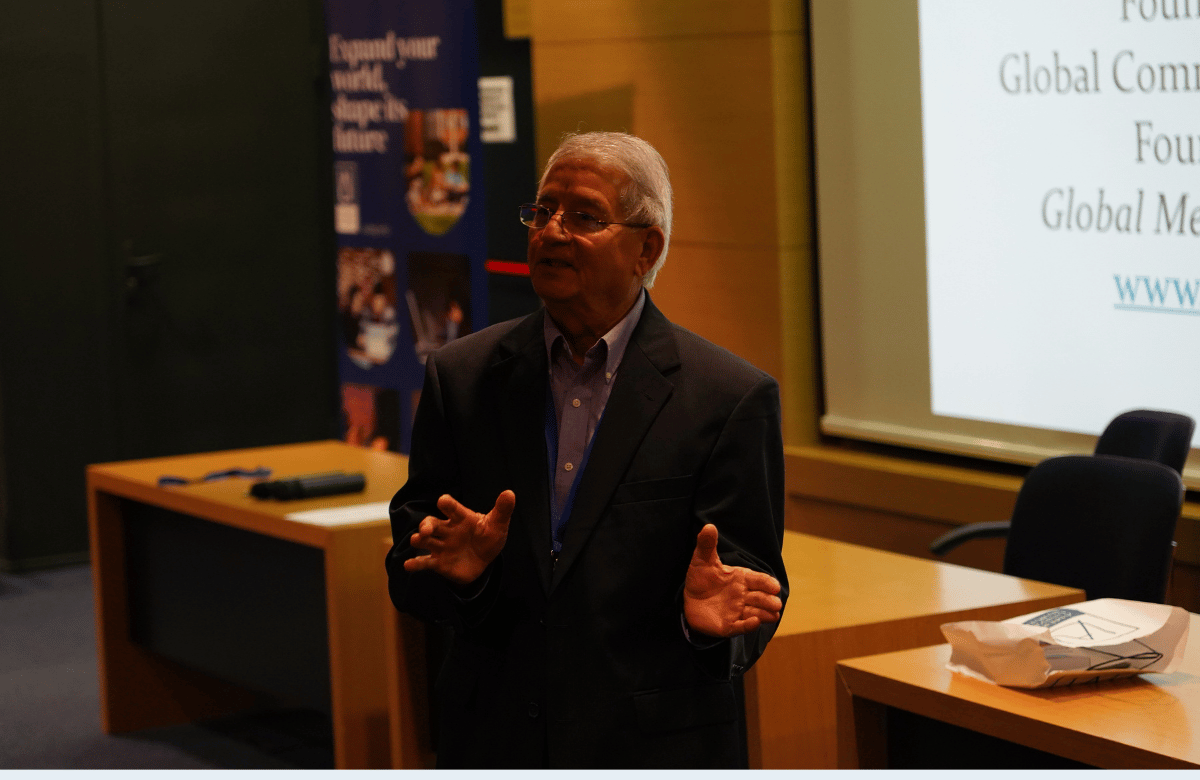
Dr. Yahya Kamalipour
A shared space for collaboration
Over several days, participants presented their research, led workshops, and took part in panel discussions on some of the most pressing challenges and opportunities facing higher education today. Each session sparked engaging discussions on topics such as artificial intelligence, academic writing, digital humanities, and global communication.
During the opening ceremony, Dr. Yahya Kamalipour, founder and executive director of the Global Communication Association, shared his remarks. He reflected on the importance of international academic collaboration and the conference’s broader mission to address shared challenges and opportunities in communication, education, and digital transformation.
“It’s all about networking,” Dr. Kamalipour said. “The more people you know, the better it is, and the more you can accomplish.”
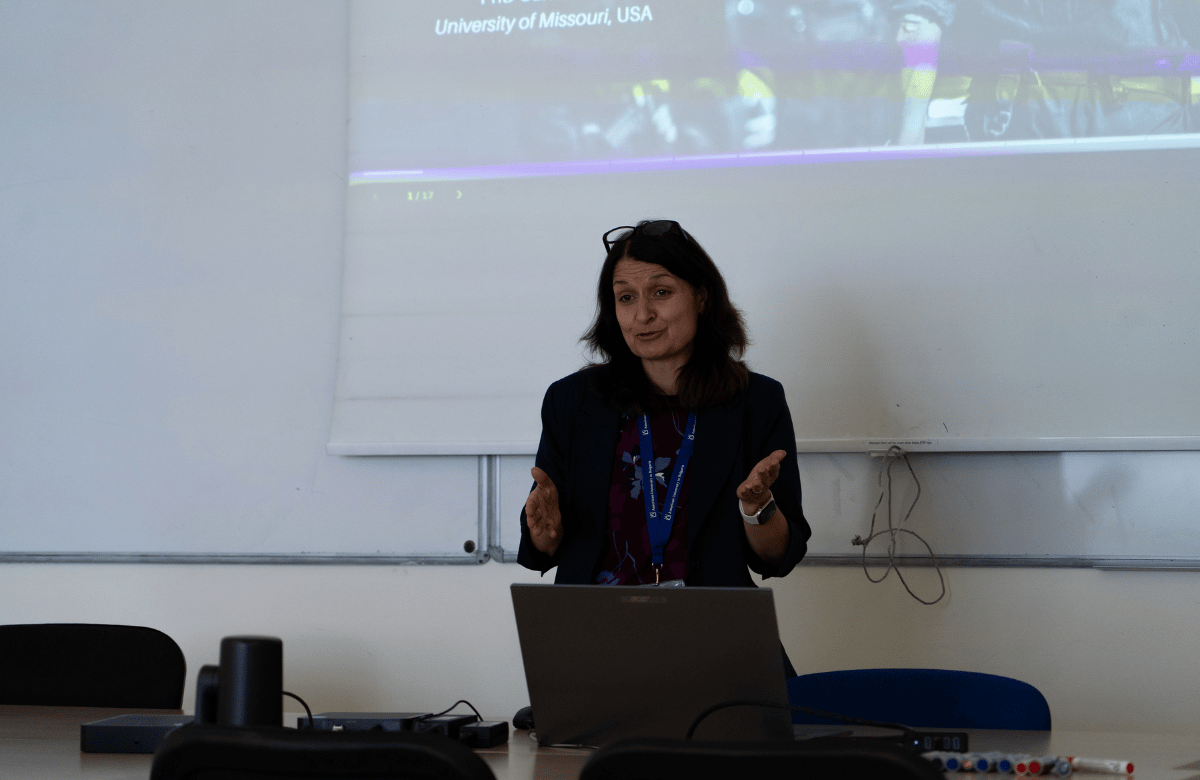
Daniela Dimitrova ('97)
EWCA: the future of writing centers
The EWCA conference focused on the history, development, and future of writing centers, highlighting their role in supporting student success and academic achievement. Presenters shared research and practical approaches for helping students develop strong writing skills in changing educational contexts.
Discussions also addressed how writing centers are responding to new technologies, including artificial intelligence, and how they can continue to support students in developing critical thinking, creativity, and confidence in their academic writing.
GCA: Communication in a digital world
At the same time, the GCA conference explored the opportunities and challenges of communication in the digital age. Scholars examined topics such as communicating terrorism, reaching audiences in an increasingly digital world, and the intersections of technology, culture, media, and social sustainability.
The sessions created space for researchers to consider how communication practices are changing across societies and how media, technology, and global networks shape public dialogue.
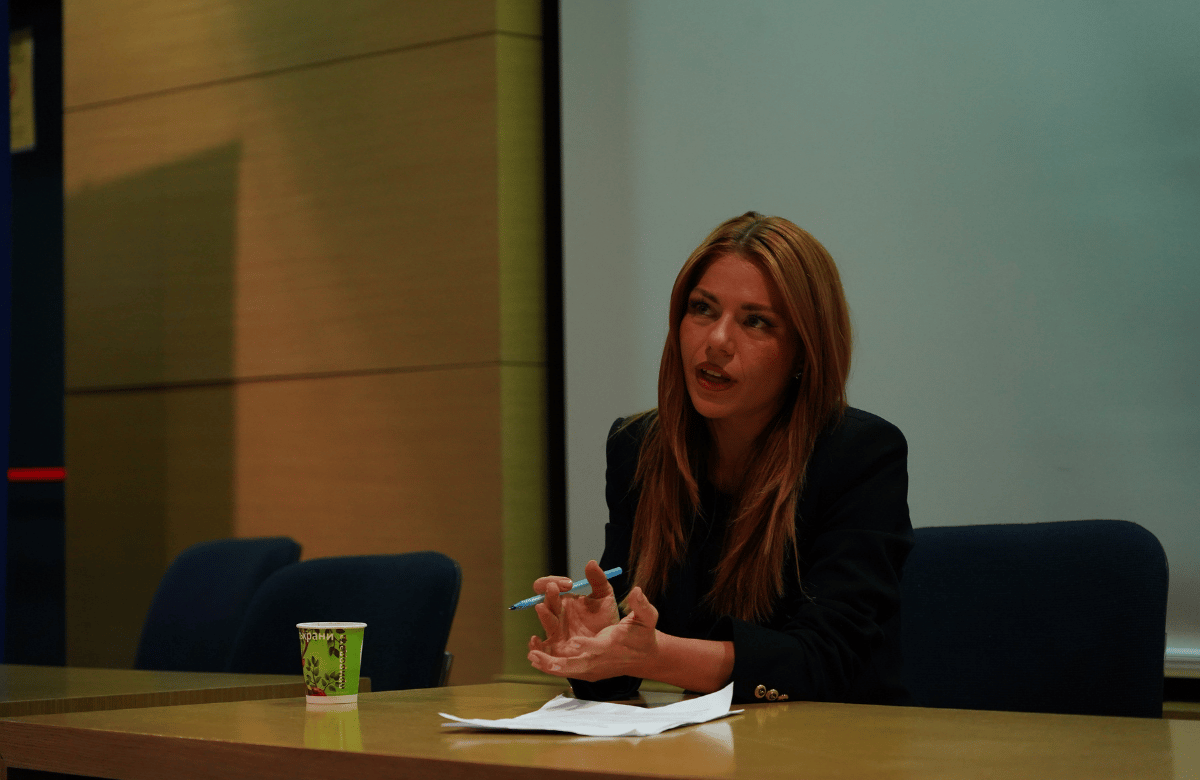
Roselina Petkova
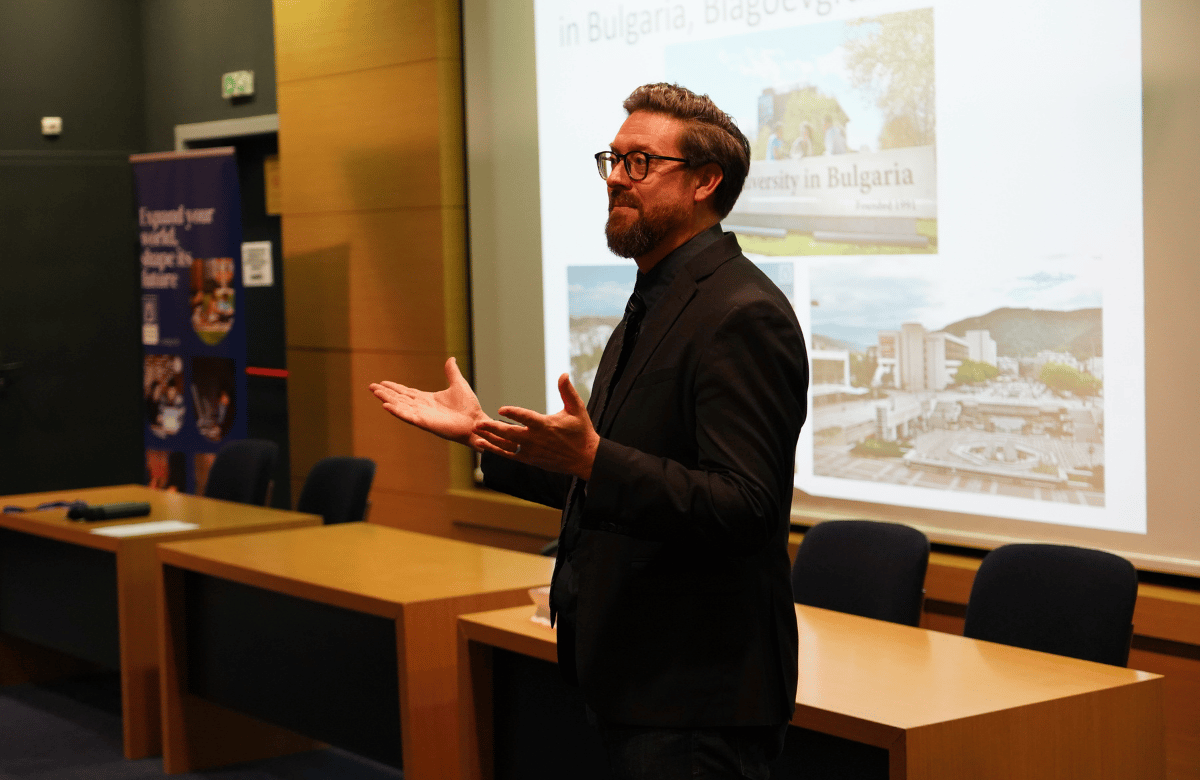
Dr. J.D. Mininger
Keynote speakers and research opportunities
The conferences also featured inspiring keynote speeches by distinguished experts in the field, including Franziska Liebetanz, Head of the Center for Teaching and Learning at the European University Viadrina in Frankfurt (Oder); Roselina Petkova, journalist at Bloomberg TV Bulgaria; and Joseph Franklin, Assistant Professor of English at New York City College of Technology.
A special highlight was the partnership with the International Journal for Digital Research, developed by Vladimir Karadjov at South-West University Neofit Rilski, which creates additional opportunities for academic collaboration and offers conference participants the opportunity to publish their research.
AUBG as an international hub for dialogue and exchange
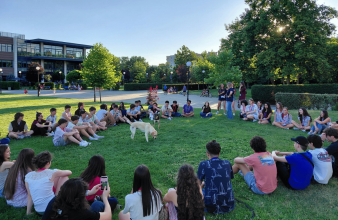
Over the week, AUBG’s role as a hub for international dialogue and collaboration was once again reaffirmed. Participants had the chance not only to engage with high-level scholarship, but also to explore campus and the historic city of Blagoevgrad, getting to know Bulgaria’s culture, traditions, and hospitality.
They built connections and gained both intellectual insights and memorable cultural experiences, fostering a sense of belonging. In essence, the future of writing, communication, and higher education lies in collaboration and in a willingness to engage thoughtfully with the technological transformations redefining our world.