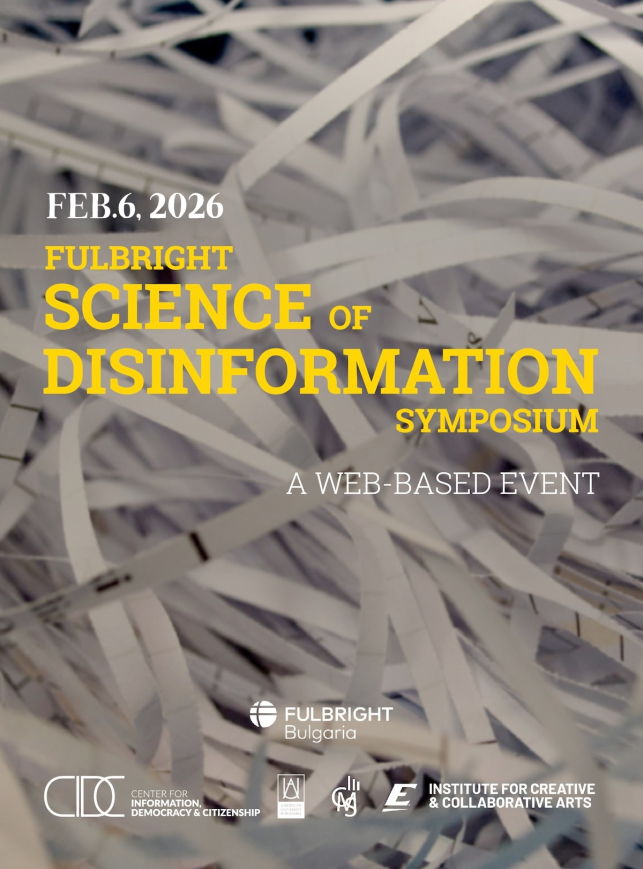
Submissions are invited for the Fulbright Science of Disinformation Symposium, exploring the threats of disinformation on the digital landscape and its impact on public trust and democracy. Participants are called on to identify key challenges and craft solutions to dismantle disinformation locally and/or globally. As false narratives spread rapidly across social media, news platforms, and AI-generated content, developing new ways to combat disinformation has never been more critical. The symposium is designed to give voice to new and innovative solutions.
Symposium Goals
This symposium offers a vital opportunity to advance our understanding of disinformation while developing practical solutions for protecting democratic discourse and evidence-based decision-making.
The symposium seeks to achieve the following goals:
-
Examine the psychological, cognitive, and social factors that make disinformation effective.
-
Analyze successful interventions and the conditions under which they succeed.
-
Share and develop better tools for detecting, tracking, and analyzing disinformation.
-
Connect researchers across disciplines with policymakers and practitioners to create comprehensive solutions.
Focus Areas for Submissions
• Psychological and cognitive factors in disinformation susceptibility
• Effective policy responses and government interventions
• Platform governance and content moderation
• Social and cultural influences on disinformation spread
• Methods for detecting and analyzing false narratives
• Media literacy and public education initiatives
• Evidence-based pathways to cognitive and social resilience
Application Process
The sponsors of the Fulbright Science of Disinformation Symposium welcome proposals for presentations for a web-based conference to be held Feb. 6, 2026.
Applications are welcomed from policy makers, professional practitioners, and academics from the fields of media, government, technology, social science, philosophy, communication, computer science, and others.The 500-1000 word proposal should be in two parts:
1) a narrowly defined problem concerning disinformation globally or locally;
2) a description of solutions, which may include policies, best practices, education, tools, initiatives, products, and other possibilities.
Please submit your proposals by December 19th, 2025 following the button bellow.
Considering the international nature of this event, both proposals and presentations will be in English.
Sponsor

Co-organizers