There is a certain myth around successful leaders: the idea that they start their day at 5 a.m. with a power workout, a “breakfast for champions,” and ticking off half of their to-do list before the world has awoken. We imagine their days as perfectly optimized and their habits as almost ritualistic.
But speak to Executive MBA-level professionals, and a different picture emerges. These individuals have built successful careers, but not necessarily at the cost of their work-life balance.
What connects these professionals from different industries and leadership roles is not a single “success habit,” but a mindset: knowing what matters, making space for it, and building systems that allow them to maintain that balance.
Here is how three EMBA-level leaders structure their days for success, and, more importantly, what their outlook on life and triumph is.
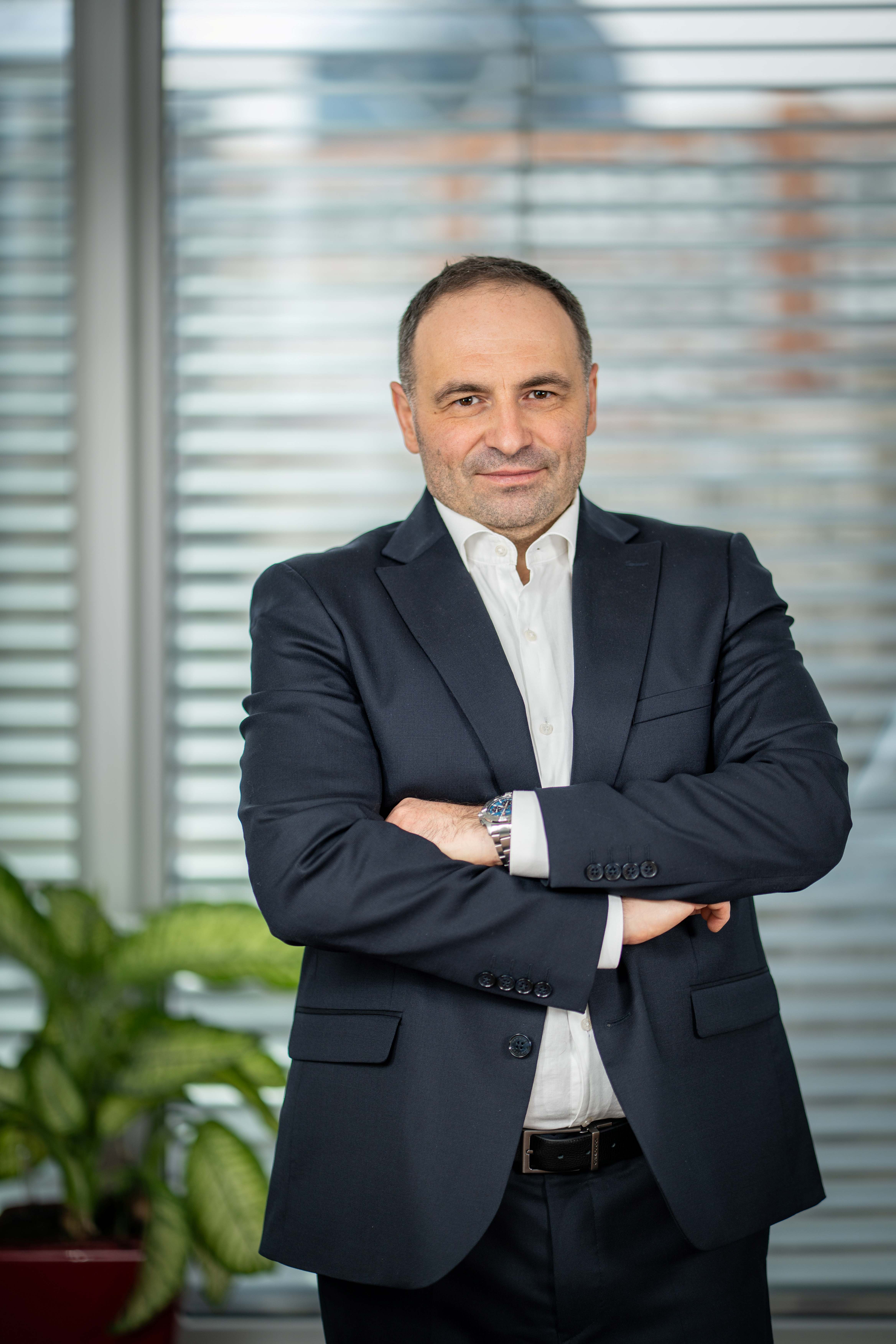
Alexander Hristov (EMBA ’25)
Alexander Hristov (EMBA ’25): A mindset, instead of small habits
For Alexander Hristov (EMBA ’25), Managing Director at Doverie – United Holding AD, the idea of a “perfect routine” is almost misleading. His mornings, like those of many leaders balancing work and family, are almost mundane: driving his children to school and then jumping into meetings and calls.
There aren’t “certain routines or practices” that guide him, but a new mindset that the EMBA program at AUBG helped him cultivate. “I tend to look at business more strategically now, and the data-driven approach is my preferred one.”
Focus, in his view, is one of the most valuable and most endangered resources in modern leadership. “People with many responsibilities develop a fast-decision-making reflex, but focus is a precious utility,” he shares.
“The hack with focus-time is to devote it to the things that are matter most.” He also believes in delegation and trust in the team to create that space.
What he wishes to dedicate his precious time to and finds most valuable is idea generation. “I try to find time for reading, listening to podcasts, or brainstorming with AI,” he tells us. “The AI these days gives us so many possibilities, and in unbelievably fast, accurate, and structured manner,” he adds. Naturally, as a father, he makes sure to dedicate time to his family too.
Hristov’s advice to future EMBA students mirrors his broader philosophy: “Instead of recommending just one habit, I would recommend the program itself, because it provides tools that help you grow both personally and professionally.”

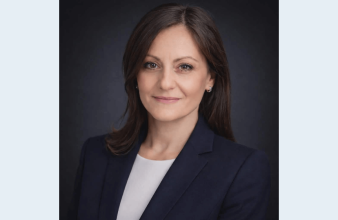
Joy Banushi (EMBA ’25)
Joy Banushi (EMBA ’25): Mastering people-centered leadership
For Joy Banushi (EMBA ’25), International Business Development Director at Advent Group, leadership begins before the workday even starts, with stillness.
Her mornings are intentionally quiet. “I value the calm before the storm, so it’s important for me to have a peaceful morning, drinking my coffee without checking my phone, and stepping outside for fresh air and sunshine. That’s what charges me for the day,” she shares.
Once at work, that clarity translates into structure. “As soon as I am at work, I write down what I have to accomplish in the day,” she tells us. “It keeps me grounded and focused, and sets the tone for my day.”
Banushi is grateful for the EMBA program and its demands for teaching her time management. “It made me very fond of keeping my calendar up to date,” she admits with a smile.
Banushi is equally intentional about how she structures her energy. “I always block time for deep work when I am most productive, which is as soon as I reach the office.” While she generally tries to keep meetings after work, her system is not rigid; rather, it provides guidelines that support productivity.
As days become hectic and challenges arise, Banushi has developed a foolproof tactic: “If I’m feeling frustrated, even taking 10 minutes for a walk helps me regain my focus,” she says. This, along with other techniques that help her clear her mind, makes her a better decision-maker, which is an essential quality for a leader.
But perhaps her most defining perspective on leadership is about relationships. “The EMBA program taught me a way of working: be there for your people, always, whether it’s your team at work or your group in the program. Without them, you are a leader of nothing,” she shares.

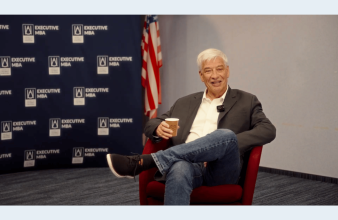
Todor Jekov (EMBA ’11)
Todor Jekov (EMBA ’11): Structure, reflection and continuous alignment
Every morning, Todor Jekov (EMBA ’11), Managing Director, Hewlett Packard Enterprise (HPE) Global Delivery Bulgaria Center, begins with alignment, and that’s what sets the tone of his leadership. “I set aside time each morning to review my priorities and align them with the broader goals of the team,” he shares.
What this looks like for Jekov is dedicating time to reflection and planning. “I usually map out the key tasks for the day, followed by a short walk or exercise to energize myself,” he tells us. Reviewing emails first thing in the day and quickly checking-in with his teams allows him to set an overall direction from the onset.
His leadership style is centered around structured decision-making and regular feedback sessions, which are habits that he developed during the EMBA program and carried through. “These greatly contributed to my professional growth, as they encouraged me to approach challenges methodically and leverage the collective expertise of my colleagues,” he shares.
Today, his workdays are intentionally designed, again, as a result of the EMBA program. “I block time for deep work and schedule regular touchpoints with stakeholders,” he shares. This helps him manage heavy workloads and responsibilities while making informed decisions as a leader. “To stay focused and effectively juggle various tasks, I rely on a combination of planning, delegation, and maintaining an open line of communication with my team,” Jekov tells us. He also emphasizes the importance of being consistent with these habing to actually be effective.
What distinguishes Jekov’s approach is his commitment to reflection. Each day includes a moment to evaluate what worked, what did not, and how he can better support his team. “This habit has played a significant role in my development as a leader, fostering continuous learning and growth,” he shares.